The honest answer is “it depends”: on how you grow, what you already own and what things cost where you live. What you can do is estimate it. This guide breaks the costs down, shows you how to size the biggest material purchases and uses USDA price data to put a value on what you harvest.
There’s no guaranteed saving. The aim is to help you decide with real numbers instead of guesses.
Two kinds of cost: setup and running
Setup costs are mostly one-time:
- beds or containers;
- soil, potting mix and compost to fill them;
- basic tools; and
- watering equipment and any trellises or supports.
Running costs come back every season:
- seeds or transplants;
- compost or fertilizer to top up;
- water; and
- your time.
Your first season carries most of the setup cost, so it’s the hardest year to “break even”. Later seasons mostly carry running costs.
Estimate your soil before you buy
Soil is easy to underestimate. For a raised bed, multiply length × width × depth in feet to get cubic feet, then divide by 27 for cubic yards. A 4-by-8-foot bed filled 1 foot deep needs 32 cubic feet, about 1.2 cubic yards. Bagged soil is usually labeled in cubic feet, so divide your total by the bag size to see how many bags you need, then multiply by your local price.
For containers, size matters too. Penn State Extension suggests at least a 20-inch-wide pot for a single tomato plant, and larger pots need more potting mix. Our patio garden guide covers container sizes in more detail.
Don’t forget water
Water cost depends entirely on your local rate and how much you use, so check your water bill for your price per unit. Raised beds warm up and dry out faster, and Utah State University Extension notes that they need more frequent watering. It describes drip irrigation as a simple and efficient method for raised beds.
What could your harvest be worth?
To compare your garden with the store, multiply the pounds you harvest by what you’d otherwise pay. If you don’t track your own store prices, USDA’s Economic Research Service (ERS) publishes average U.S. retail prices. These are 2023 averages for fresh produce, per pound:
- Grape and cherry tomatoes: $4.16
- Large round tomatoes: $2.14
- Spinach: $4.50
- Kale: $3.57
- Green beans: $2.66
- Romaine lettuce (heads): $2.44
- Zucchini: $1.64
- Green peppers: $1.50
- Cucumbers: $1.09
For example, if you harvested 10 pounds of cherry tomatoes, that would be worth about $41.60 at the 2023 national average. That’s an illustration of the math, not a prediction of what your garden will produce.
Keep in mind that ERS notes averages vary across locations and seasons, and they don’t reflect what a particular household pays in a particular store. Your own receipts are the best comparison.
A simple budget worksheet
Copy this list and fill in your own prices:
- Beds or containers: $____
- Soil, potting mix and compost: ____ cubic feet × $____ per cubic foot
- Seeds or transplants: $____
- Tools: $____ (only what you don’t already own)
- Watering equipment: $____
- Supports or trellises: $____
- Water for the season: $____
- Setup total: $____
- Running costs per season: $____
Then track what you harvest (in pounds) and multiply by your store price or the ERS average to see the value.
Ways to keep costs down
- Start small. Begin with a few containers or one bed, and expand once you have real numbers.
- Grow what you’d otherwise buy. Crops you buy regularly, especially higher-priced ones per pound, give the clearest return.
- Reuse what you have. Any sturdy container can work if it has drainage holes.
- Make your own compost. Our Compost & Soil hub covers the basics.
The bottom line
A small vegetable garden can be modest or expensive depending on your choices, and the first year costs the most. Estimate your setup, track your running costs and value your harvest honestly. After a season, you’ll know your real cost.
Free guide
10 Beautiful Edible Plants for Small Suburban Landscapes
A free guide to edible plants that can earn their place in a front yard, a patio or a small bed. It’s available now.
Free. Confirm your email address to download it.
Related guides
- Garden Savings: our hub for what food gardens cost and can save.
- 7 Attractive Raised Bed Ideas for Small Backyards: bed options and how much soil each needs.
- Beautiful Edible Patio Garden Ideas for Small Spaces: start small with containers.
Sources
- USDA Economic Research Service, Fruit and Vegetable Prices (2023 retail scanner data from Circana; data files last updated December 9, 2025; accessed October 8, 2026).
- Penn State Extension, Container Vegetable Gardening: Four Keys to Success (updated March 30, 2026; accessed October 8, 2026).
- Utah State University Extension, Raised Bed Gardening (accessed October 8, 2026).
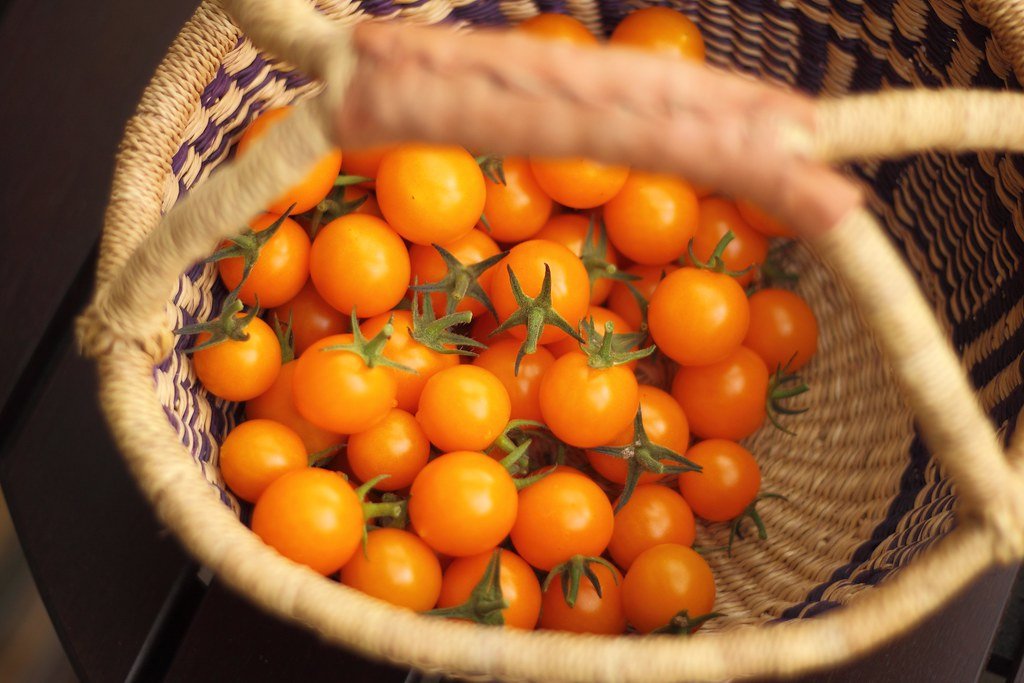
Featured photo: “daily harvest” by Mike McCune, licensed under CC BY 2.0, via Flickr.
How we write our guides
We check factual claims against reliable sources such as university extension services and government guidance. We point out when advice depends on your region or your local rules, we disclose affiliate links, and we never claim to have tested something we haven’t.